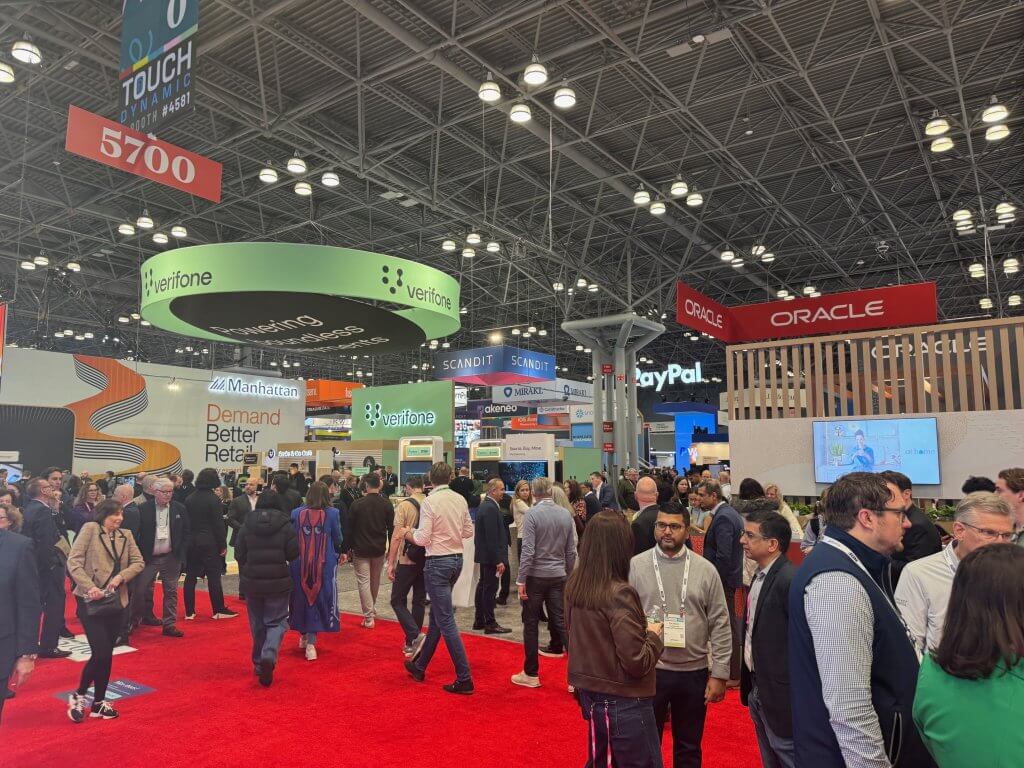
NRF 2026: Retail’s Big Show reinforced a clear shift in how technology is being positioned within the retail industry. With more than 44,000 attendees, many from outside the U.S., the event underscored retail’s global scale and its collective focus on measurable business outcomes.
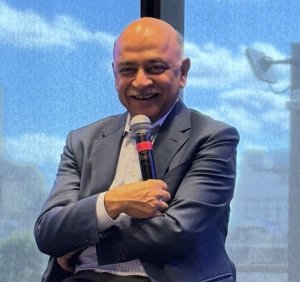
One of the more consistent themes across keynote sessions and booth conversations was that NRF has evolved into a technology outcomes show. This sentiment was captured succinctly by Cisco executives at an off-site event, who emphasized that retail leaders are no longer evaluating technology for innovation’s sake, but for its ability to drive efficiency, resilience, and customer experience.
It should be noted that some companies did launch new products, including Hewlett Packard Enterprise and Zebra Technologies. The focus of the product launches emphasized operational continuity, AI-native insights, and frontline enablement rather than disruptive architectural shifts.
AI Is Delivering Value, But in Targeted Use Cases
Artificial intelligence was everywhere at NRF 2026, but the narrative was more grounded than in prior years. Retailers are no longer experimenting broadly; instead, they are deploying AI where it can deliver immediate and repeatable value.
The most compelling examples centered on frontline worker productivity, using AI to close the experience gap between seasoned employees and new hires. Zebra’s demonstrations highlighted how AI-enhanced handheld devices can surface contextual knowledge, integrate RFID and video data, and enable agents to interact directly with inventory and fulfillment systems. The outcome is faster onboarding, fewer errors, and improved in-store execution, areas where retailers see tangible ROI.
Exploring What’s Possible: AI as a Product Development Accelerator
Beyond operational use cases, NRF also showcased conceptual applications of AI that hint at future possibilities. One standout example came from Amazon Web Services, which demonstrated a concept workflow where a new retail product, such as a piece of luggage, could be designed in approximately 12 minutes using generative AI with a human-in-the-loop.
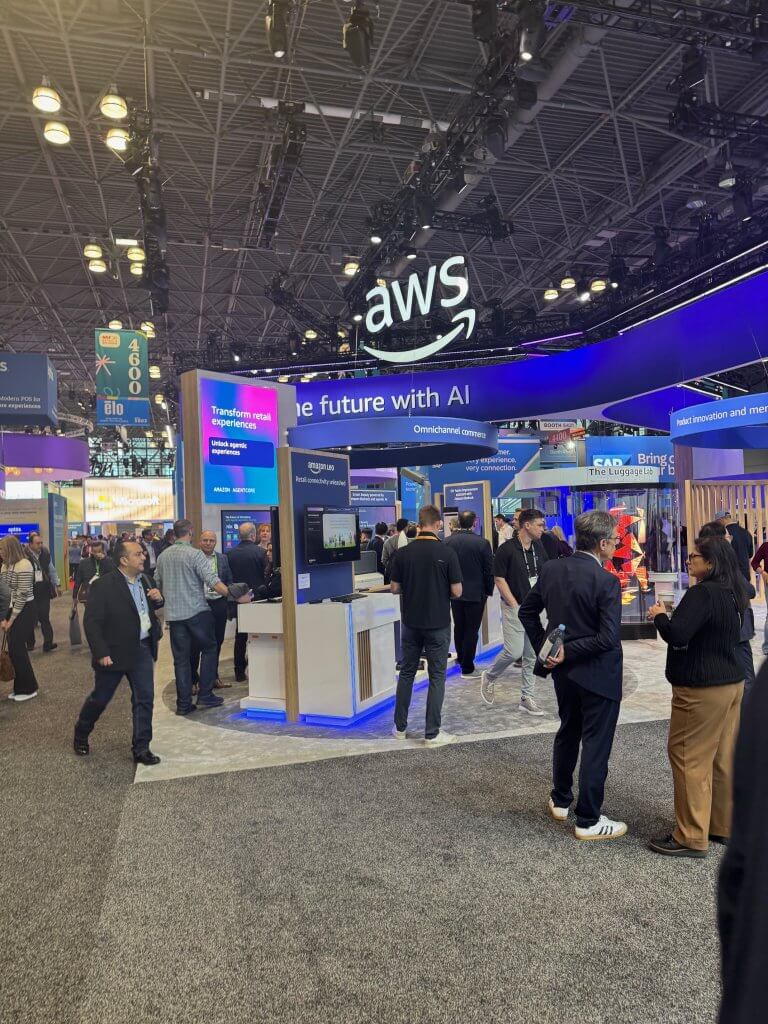
While compelling, these demonstrations also highlighted the work that remains. Integrating such AI-driven workflows with ERP systems, ensuring on-premises deployment options, and validating the accuracy of synthetic feedback loops will be critical before these concepts transition into production environments.
The Network as the Foundation of Retail Modernization
If there was one area of near-universal agreement across vendors, it was the central role of the network in enabling retail transformation. Modern retail environments depend on reliable, secure connectivity, across Wi-Fi, private cellular, and WAN, to support not only point-of-sale systems, sensors and IoT or robotics, but also AI-driven agents interacting with devices, applications, humans, and other agents in real time.
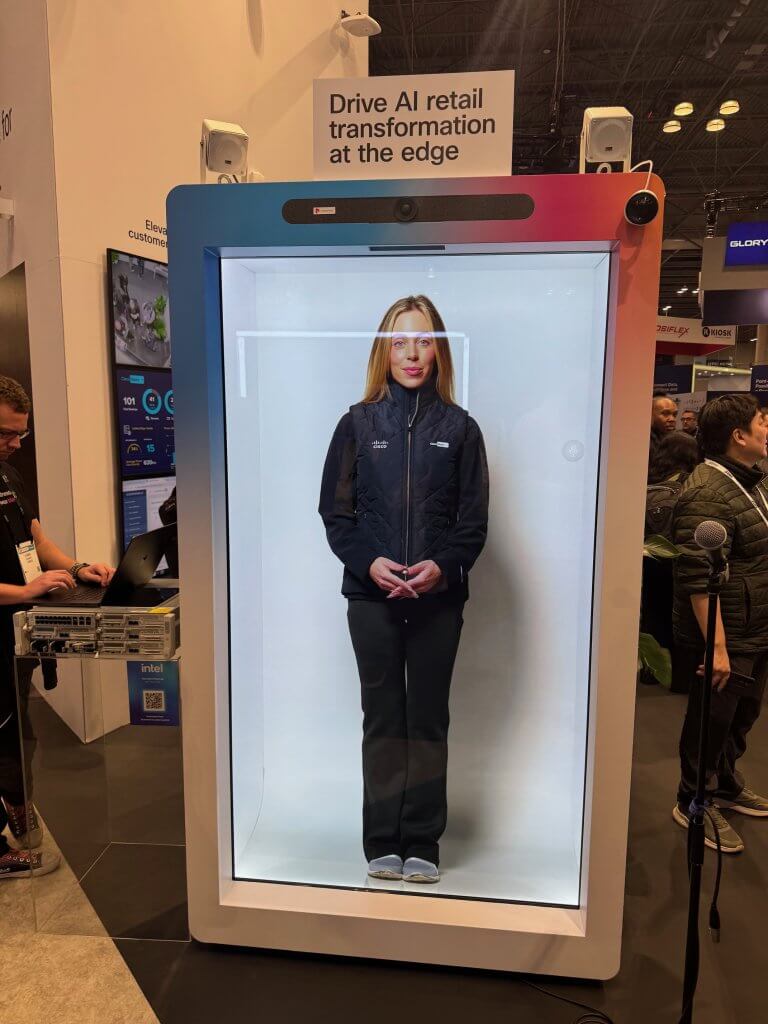
Multiple network and infrastructure vendors reinforced this message:
- Cisco Systems highlighted Wi-Fi 7 and edge networking innovations tailored for retail environments.
- Extreme Networks demonstrated how analytics and location intelligence developed for large venues are now being applied to store-level operations.
- HPE Networking launched four new products, including the CX-6000, Wi-Fi 7 Sensors, Integrated MIST and analytics and upgraded Nonstop. These launches demonstrate HPE’s commitment to the Aruba product line and its integration with Juniper, as well as its breadth of solutions for the retail space.
- Meter showcased redundant firewall and edge designs focused on operational simplicity.
- Aviz Networks emphasized bringing SONiC-based networking to front-end retail environments.
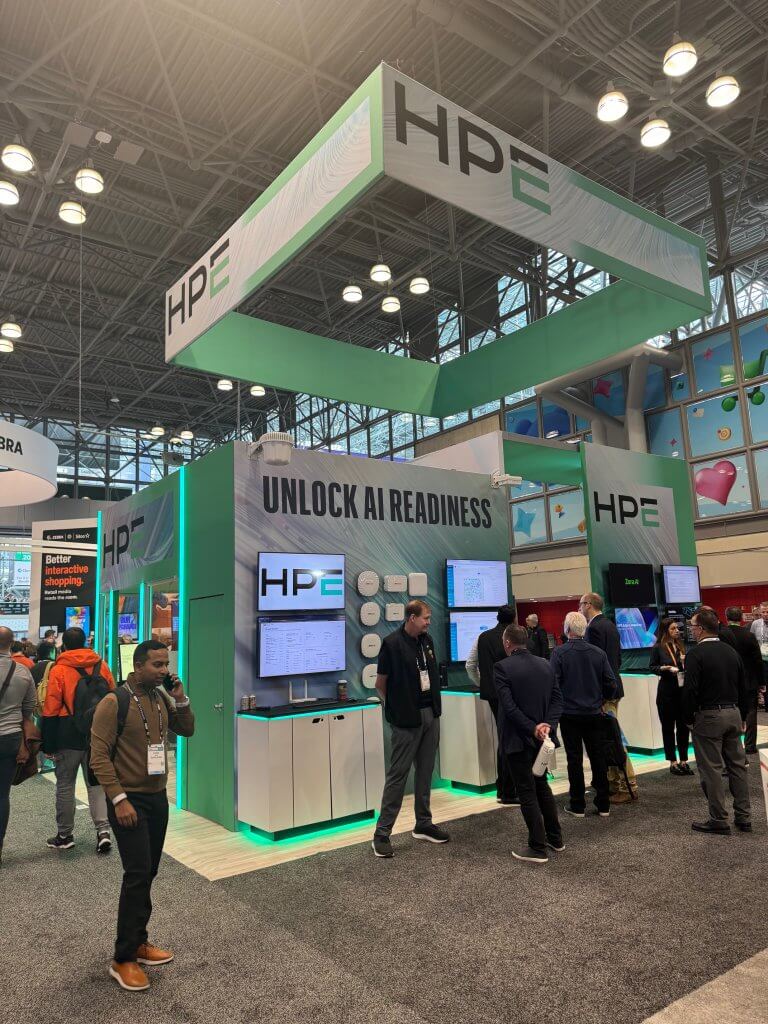
Telecom providers were in attendance, including AT&T, Verizon, T-Mobile, and Comcast, focused on private 5G, fixed wireless access, and emerging use cases such as drones and advanced video analytics.
Cloud, Security, and the Expanding Retail Ecosystem
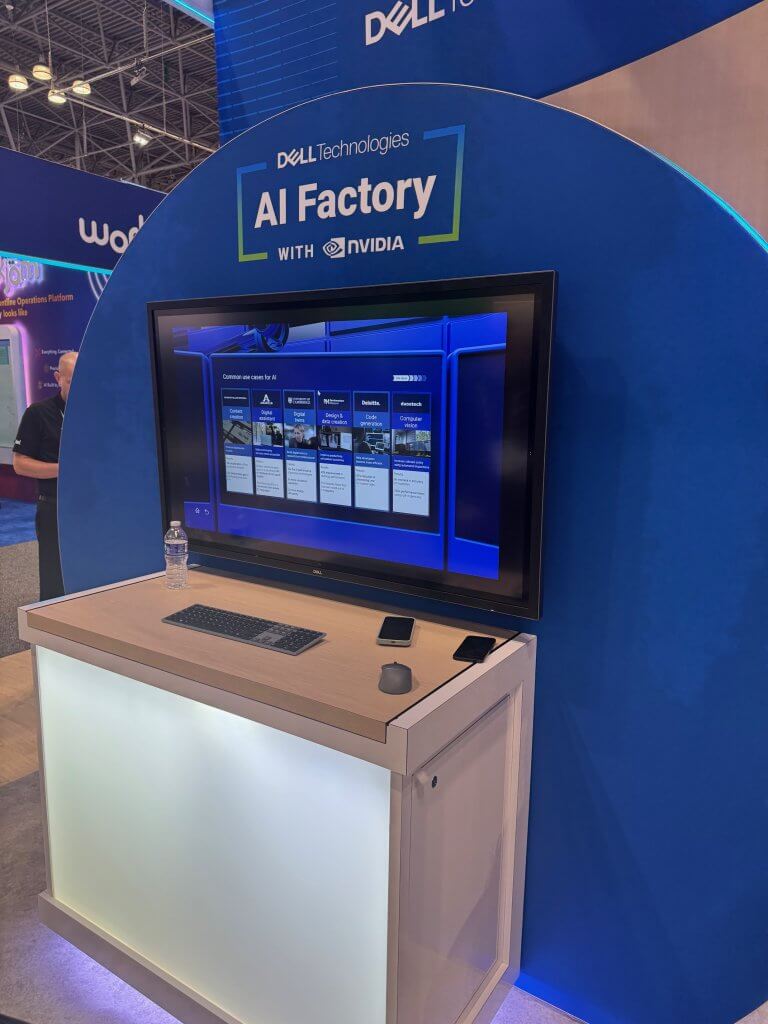
Cloud and security providers rounded out the retail technology ecosystem on display. I spoke at multiple Google Cloud partner sessions, highlighting how the Google Cloud platform was delivering measurable retail outcomes today. IBM and Dell Technologies showcased hybrid and edge-enabled solutions.
Security also remained top of mind, with Palo Alto Networks reinforcing the importance of integrated network and security platforms tailored to distributed retail environments.
OurANGLE
NRF 2026 made it clear that retail technology conversations have matured. The industry is moving past experimentation and into execution, deploying AI, networking, and cloud technologies where they directly impact productivity, resilience, and time to value. As agentic AI becomes more embedded in frontline devices and workflows, the importance of a robust, intelligent, and secure network foundation will only increase. Retailers that align technology investments with clearly defined outcomes will be best positioned to scale these innovations across their operations.