
Building a Cyber Resilience Operating Model for Modern Enterprise Security
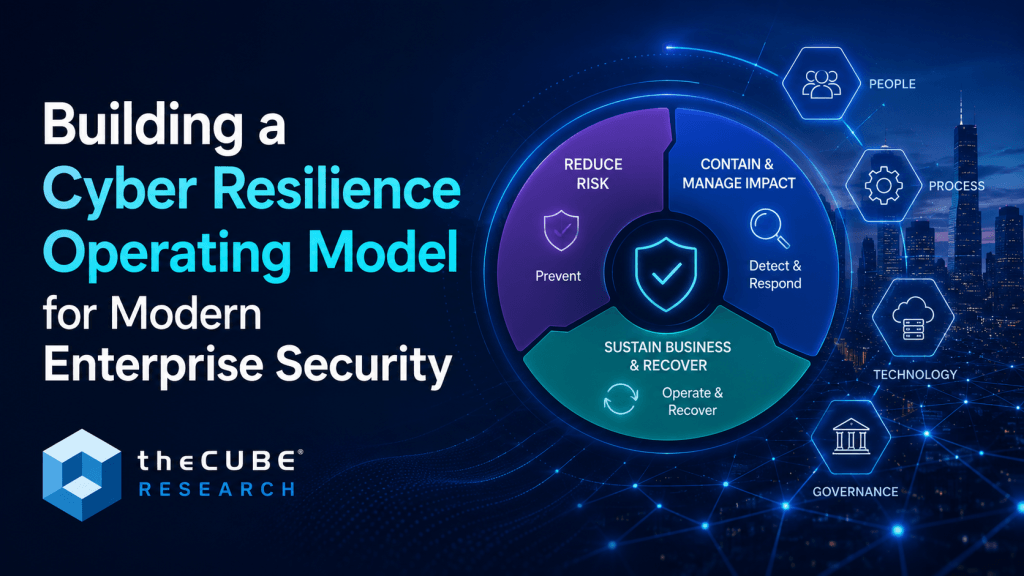
Modern enterprise security requires more than prevention and incident response. Learn how cyber resilience operating models connect prevention, detection, recovery, and operational continuity to reduce business disruption.
Cisco, Astrix, and the Missing Layer in AI Security
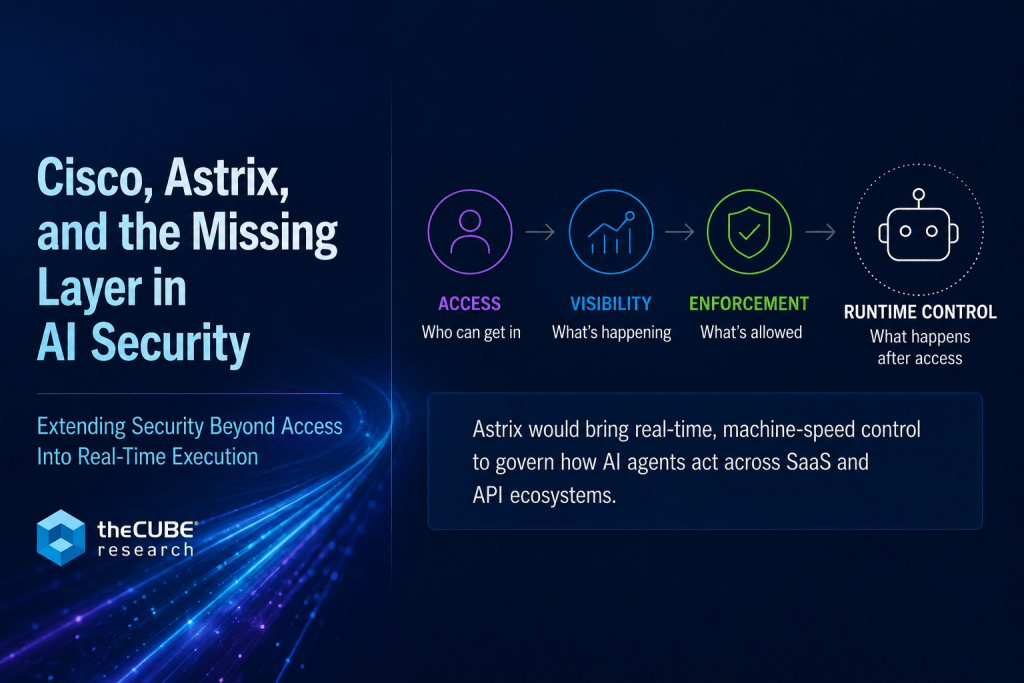
Cisco’s planned acquisition of Astrix highlights a growing gap in enterprise AI security: runtime control for AI agents and non-human identities operating across SaaS and API ecosystems.
AI-Powered Observability Moves From Monitoring to Autonomous Remediation
AI-powered observability is evolving from reactive monitoring to autonomous remediation and operational control.
Agentic AI Governance Becomes the Enterprise Bottleneck to Scale
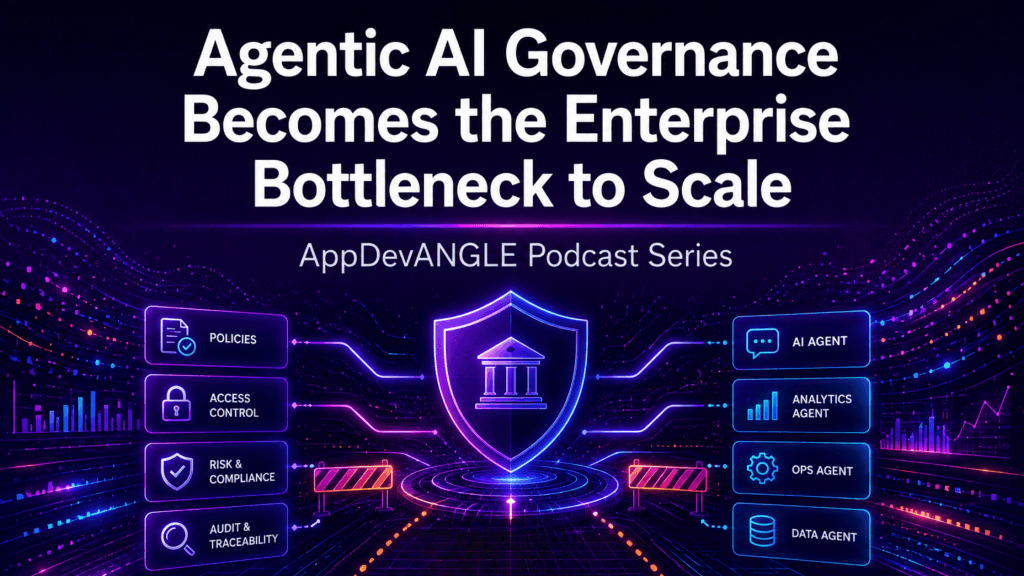
AI investment is no longer the constraint. Execution is. With global AI spending projected to reach $2.5 trillion, the conversation has shifted from experimentation to operationalization. The real challenge facing enterprises today is not whether AI can deliver value, but whether organizations can govern, scale, and trust it across complex, distributed environments. In this episode […]
Why Engineering Velocity is the New Determinant for AI ROI
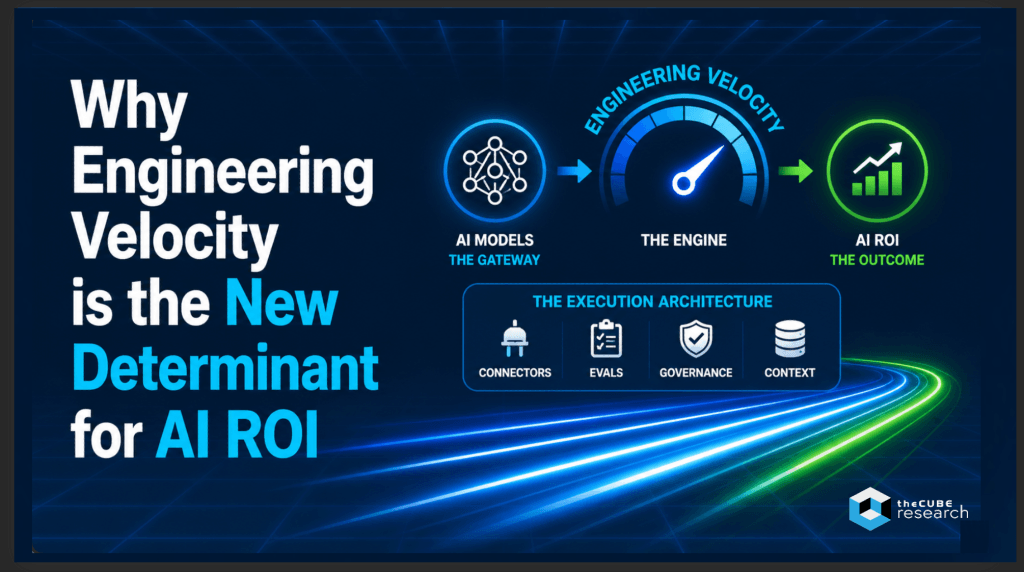
Why is 85% of enterprise AI currently stalling in “Pilot Purgatory”? While 57% of organizations are experimenting with agentic workflows, only 15% have achieved productive ROI. This research brief identifies the root cause: the AI Velocity Trap. Moving beyond the “Browser Wars” of model selection, Scott Hebner and Nitesh Bansal reveal why Engineering Velocity is the new determinant for success. Learn how the 5-Layer Enterprise Cake framework collapsed a 16-month roadmap into just 9 weeks.
314 | Breaking Analysis | Oracle front-runs AI model threat with new customer security advisory
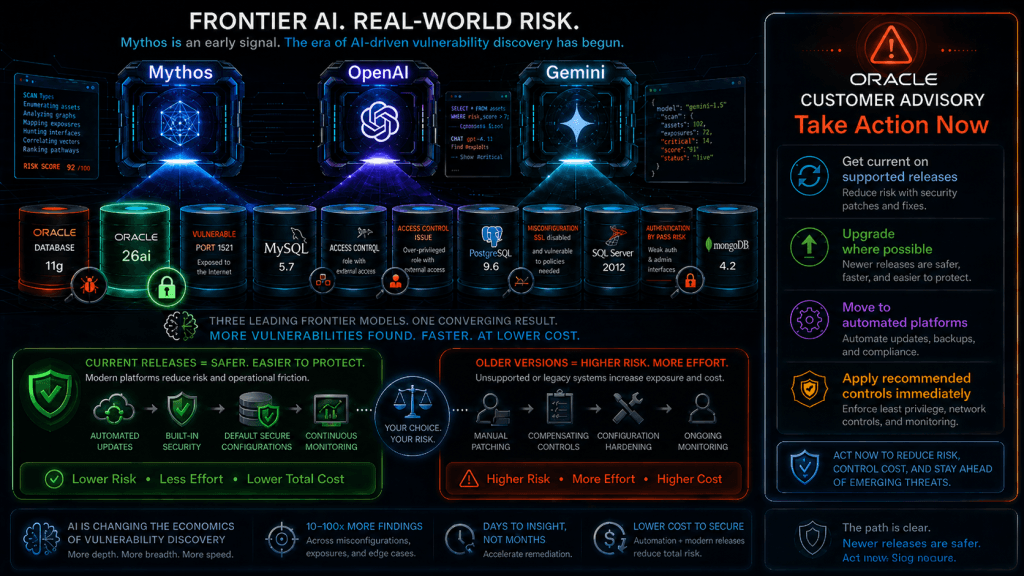
SiliconANGLE was able to review an Oracle security alert that went out to customers this week. We believe it was a direct response to Mythos, and other frontier models, that significantly lower the cost for attackers to discover exploits. In this Breaking Analysis, we give you our initial take on this development. Here’s the background… […]
AWS Elemental Inference at NAB 2026: Turning Live Video into Real-Time AI-Driven Engagement
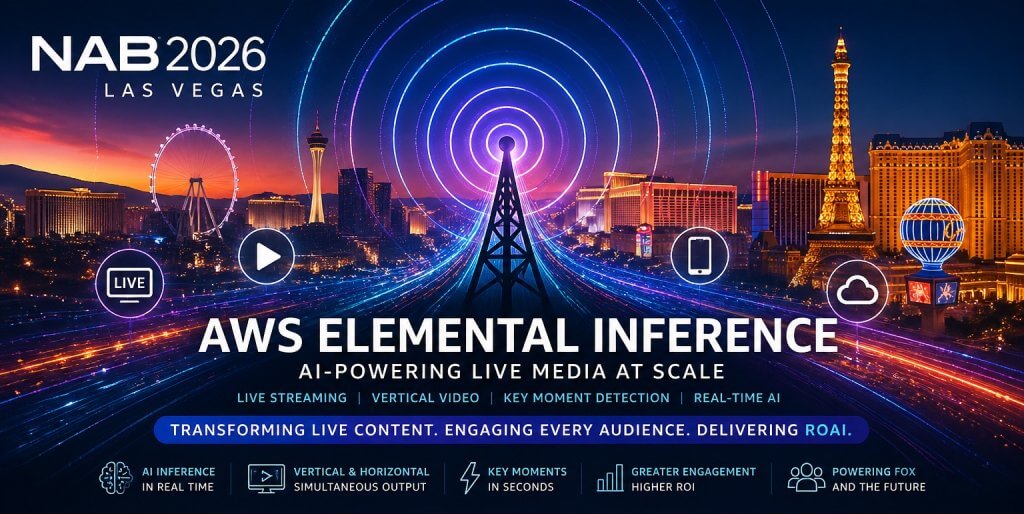
AWS Elemental Inference, announced at NAB 2026, brings real-time AI directly into live media workflows—enabling instant vertical video creation, automated key moment detection, and multi-platform distribution. Built in collaboration with Fox, it transforms how broadcasters scale content, driving faster engagement, greater efficiency, and measurable Return on AI (ROAI).
Gemini for Government Signals a New Phase of Public Sector AI Adoption
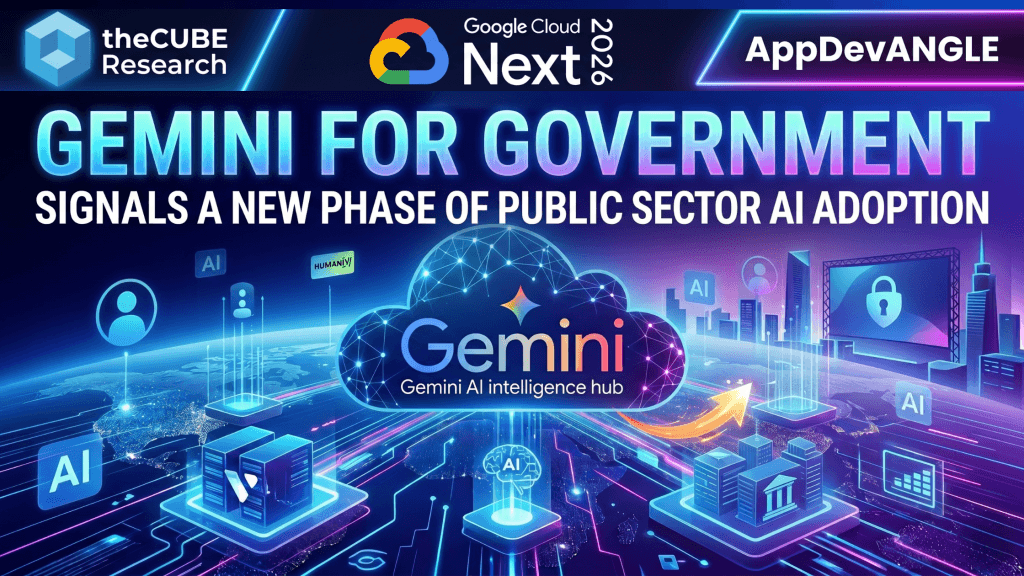
Public sector AI adoption is accelerating as Gemini for Government enables secure, compliant, and scalable AI workflows, signaling a shift from experimentation to real mission outcomes.
GKE Becomes the Runtime Layer for Agentic AI at Scale
Kubernetes for AI is entering a new phase as GKE becomes the runtime layer for agentic AI systems, enabling scalable, secure, and cost-efficient enterprise AI operations.