
Enterprise AI Is Failing at the Data Layer, Not the Model Layer
Why enterprise AI failures increasingly stem from data connectivity, context management, governance, and real-time access.
Special Breaking Analysis: Nvidia’s scale-in play – Controlling agents is the next infrastructure priority
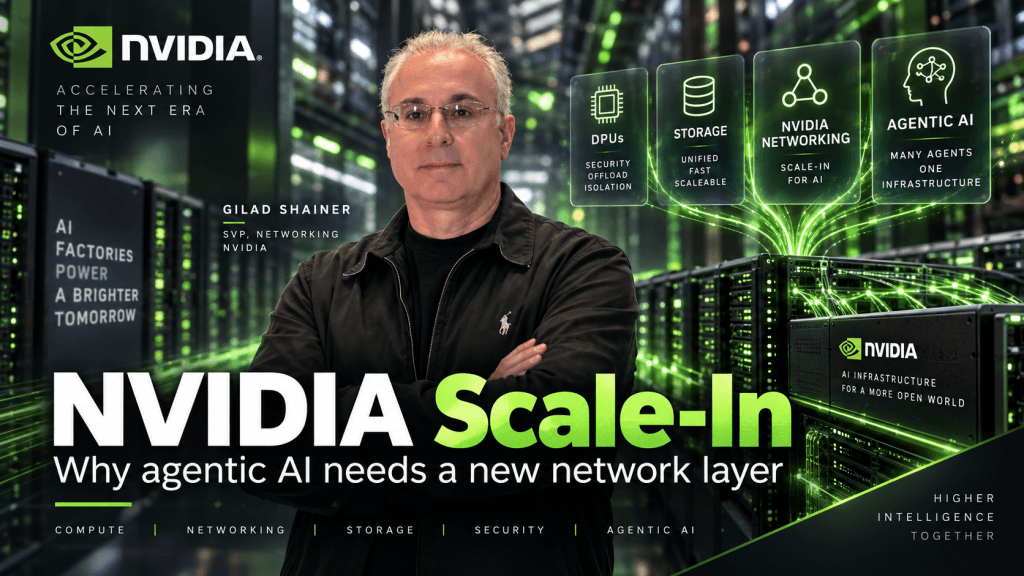
NVIDIA is extending the DPU from infrastructure offload to a broader security role across the AI factory. The opportunity is to make agentic AI safer to operate at scale. This according to Nvidia’s Gilad Shainer who sat down with theCUBE last week at our NYSE studios. The strategic implication is an even larger NVIDIA role in enterprise infrastructure.
328 | Breaking Analysis | CoreWeave’s next test: From GPU scarcity to a durable AI cloud
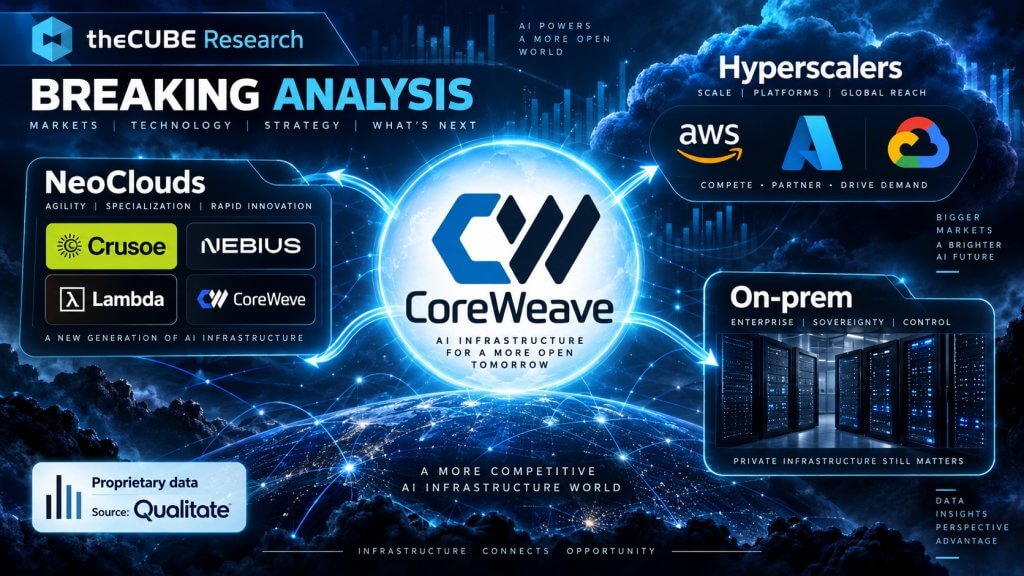
Our research indicates that GPU scarcity opens the door for CoreWeave, but performance, cost and the operating experience give customers reasons to stay. Inference is growing alongside training. Notably, training is not declining at the expense of inference. Inference is growing on a very steep curve and training workloads continue to grow as well. At the same time, the hyperscalers remain deeply embedded in the application estate, and not every successful CoreWeave PoC turns into a signed customer.
The question is whether CoreWeave is converting a GPU availability advantage into a durable AI cloud. We believe the customer evidence strengthens that case. It also shows exactly where the case still needs work.
Open Source Maintainers Are Becoming the Weakest Link in Enterprise Software Supply Chains
AI-generated code is straining open source maintainers and exposing gaps in provenance, governance, and software supply chain trust.
AI’s Next Infrastructure Constraint: Moving the Data
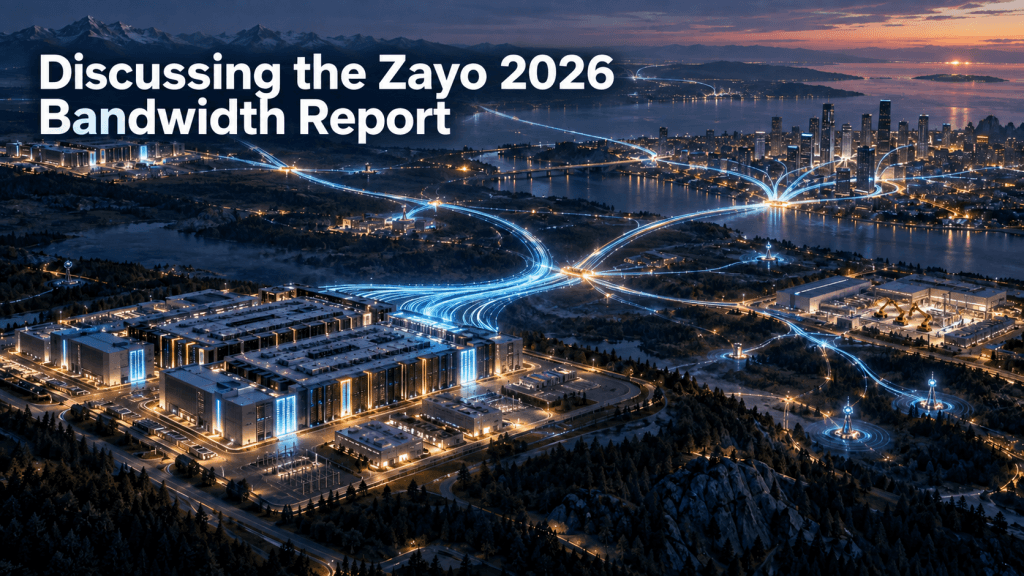
Artificial intelligence is driving extraordinary demand for compute, but moving data among AI factories, clouds, enterprise locations, and edge environments is becoming equally important. Zayo’s 2026 Bandwidth Report, based on purchasing patterns across nearly 6,000 customers, shows this transition is already underway. Demand is rising not only for 400-gigabit wavelengths, but also for long-haul and […]
327 | Breaking Analysis | Salesforce after Dreamforce – How $CRM can grow beyond its own interface
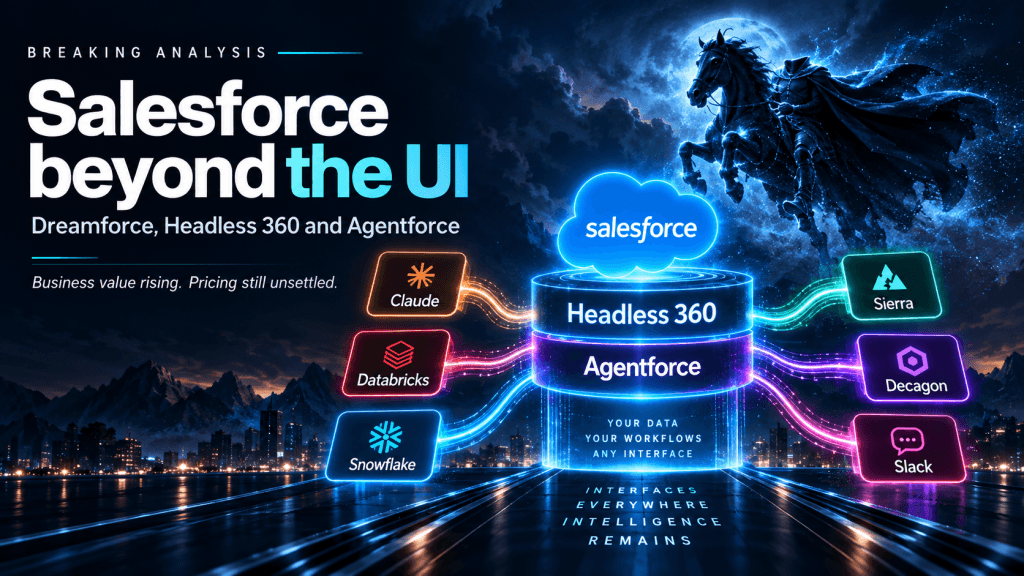
Salesforce’s next growth opportunity just may come from customers spending less time in its interface, and having agents do more of the work.
Coming out of Dreamforce 2026, we believe that is the shift worth exploring. The progression from command lines to graphical interfaces, browsers and mobile is entering the next phase. Specifically, an agent can now generate an interface around a task, inside Claude, Slack or another client surface. The customer no longer has to start with the application’s screen. The starting point becomes a desired outcome.
But generating an interface is not the same as understanding the business. That is where our AI enterprise software framework comes in. The system of engagement (SoE) is the new client interface and connects people and agents. The system of intelligence (SoI) supplies the business context. And the system of agency (SoA) turns that understanding into action. Salesforce’s larger ambition is to connect these elements through what it calls an enterprise AI harness, comprising data, business knowledge, workflows and controls, that let models do useful work across systems. This goes well beyond answering questions. It blends deterministic software with the stochastic qualities of LLMs to completely change how organizations and professionals work.
AI Agent Governance Is Moving From Observability to Provable Trust
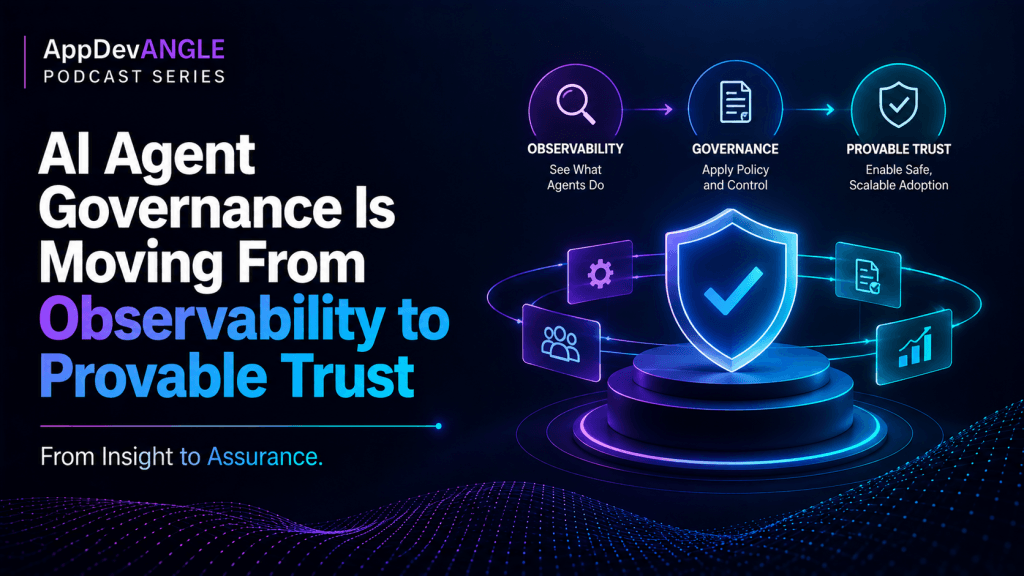
Why AI agent governance must evolve beyond observability to runtime authorization, verifiable evidence, and provable trust.
326 | Breaking Analysis | Beyond Shared Responsibility: When AI Acts, Who Owns the Blast Radius?
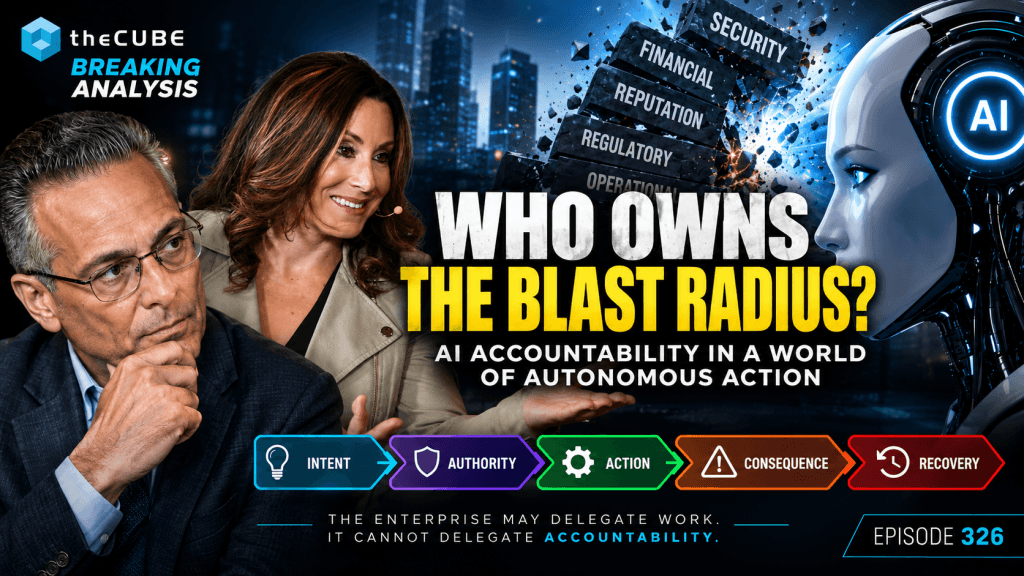
The cloud shared responsibility model was initially not well understood by many customers. In fact, early adopters often believed that simply having data in the cloud meant that Amazon, or a SaaS vendor were responsible for safeguarding it. Amazon had to educate its customers and partners that security and compliance duties were split between the vendor and the client organization. In short, the vendor was responsible for securing the cloud resources but you, the buyer, were responsible for securing what you put inside the cloud; based on your policies, priorities and budget. We believe a similar but much more consequential dynamic is unfolding with respect to agentic AI. Specifically, Cloud computing divided responsibility by infrastructure layer. Agentic AI distributes authority across a chain of models, platforms, clouds, partners and customers. Our premise is the industry now needs a shared accountability model for the decisions, actions and outcomes that chain produces.
AI Observability Is Moving From Detection to Action
Why AI observability is evolving from monitoring into an intelligence layer that enables agents to diagnose and act.