
Palo Alto Networks’ Idira Signals a Major Shift in Identity Security Strategy

CyberArk rebrand reflects the convergence of identity, privilege, and machine identity security as enterprises adapt to AI-driven environments Palo Alto Networks’ rebrand of CyberArk to Idira at IMPACT 2026 reflects a market shift underway. AI-driven environments expose the limitations of traditional identity governance and privileged access models that were built for relatively static workforce environments […]
AI Operational Discipline Becomes the Real Enterprise Bottleneck
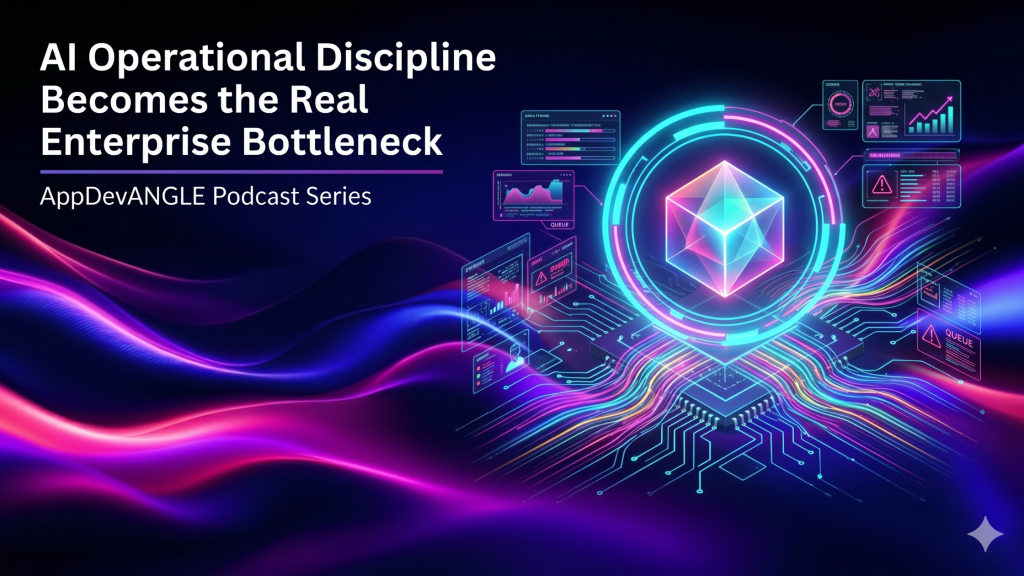
Why enterprise AI success now depends on governance, observability, and operational discipline at scale.
Connected Public Safety: Building the Network Foundation for Next-Generation Emergency Response
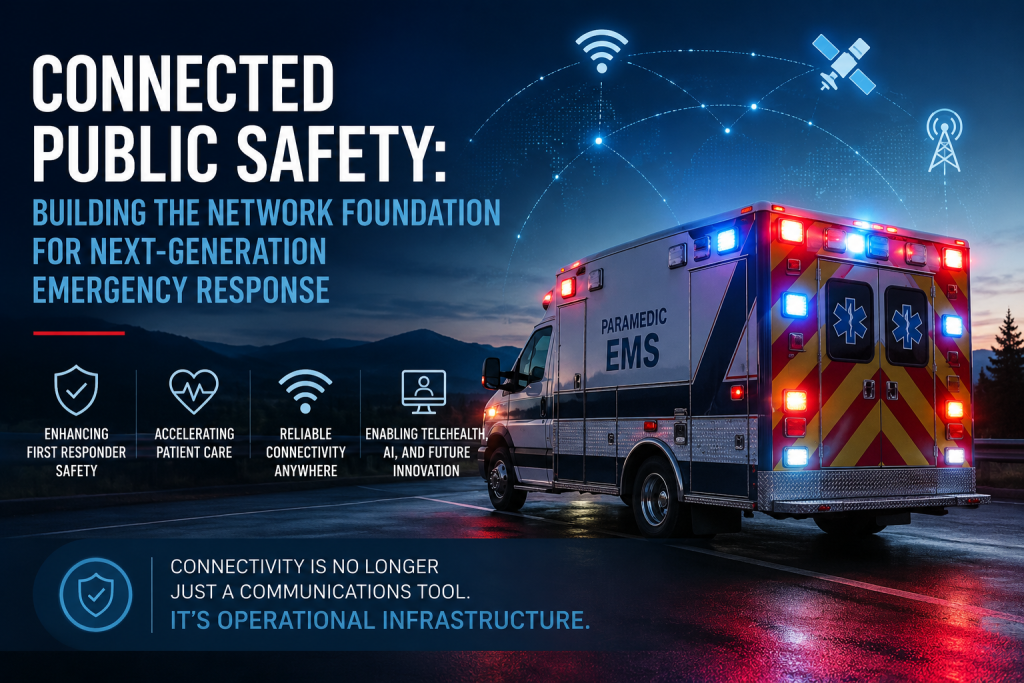
Public safety organizations are increasingly transforming emergency vehicles into connected mobile command centers, enabling real-time communication, situational awareness, and faster clinical coordination. Yet despite growing industry discussion about AI and next-generation applications, agencies remain focused on addressing a more foundational challenge: ensuring reliable, always-on connectivity in highly dynamic, often rural operating environments. That reality was […]
Escaping the AI Coding Chaos Trap
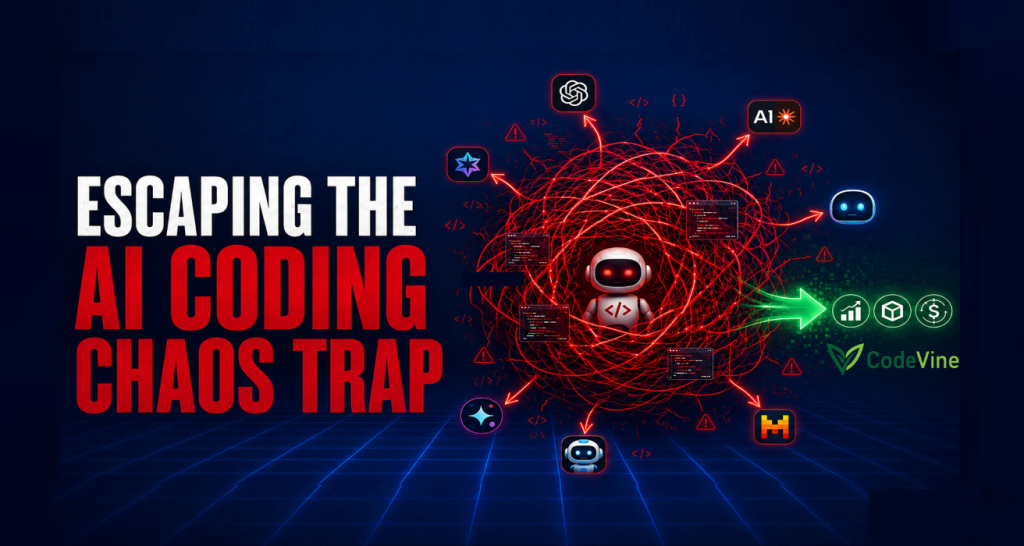
This research note examines the “AI Coding Chaos Trap”—an operational challenge where organizations become highly AI-active without becoming genuinely AI-productive.
It outlines why software engineering infrastructure must shift from tracking surface-level activity to mastering organizational coordination, institutional memory, and measurable business ROI. It highlights CodeVine and CEO Wells Burke’s strategic three-pillar model—Capture, Correlate, and Compound—as a critical architectural imperative.
315 | Breaking Analysis | How AI Stacks are Rewriting the Rules of Business
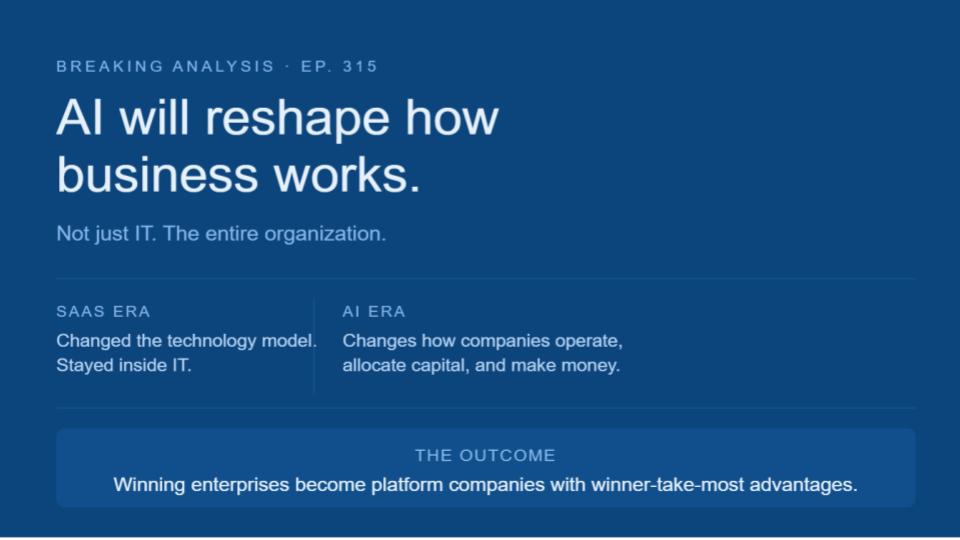
The shift from on-prem to SaaS changed the technology, business, and operating models for IT – but largely stopped there. Enterprises gained agility and less friction from their technology departments, but how companies actually made money and operated day-to-day stayed fundamentally intact. SaaS companies themselves were the obvious exception. But the big changes really only affected technology vendors, not buyers.
Freshworks Refresh 2026: Building the Foundation for AI-Driven Service Operations
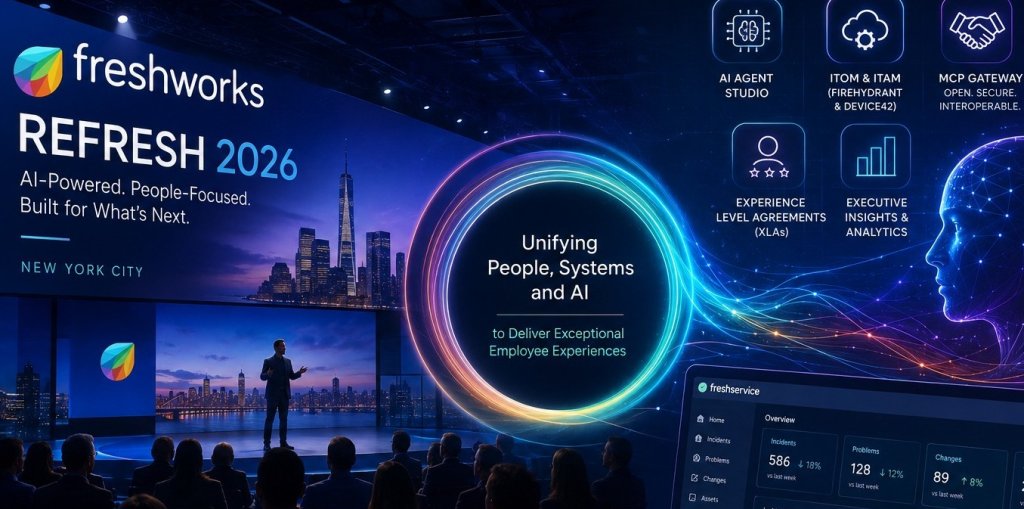
At Refresh 2026 at Hudson Yards in New York City, Freshworks used its mainstage keynotes to outline a broader vision for how enterprise service management is evolving in the AI era. Kicked off by CEO Dennis Woodside, the event focused on how AI, unified operations, and modern service architectures are converging to reshape IT and […]
Observability and Security Are Converging Into an Autonomous Operations Layer
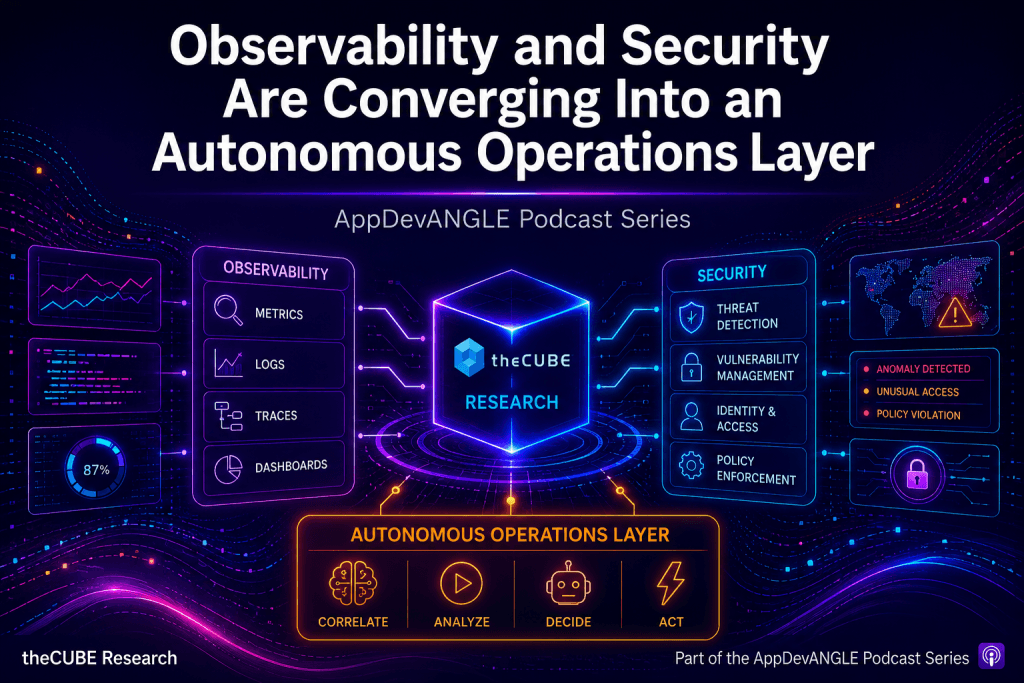
AI-driven observability and security platforms are converging into autonomous operational control systems.
Dell Tech World 2026: Dell Extends Cyber Resilience Into the AI Trust Layer
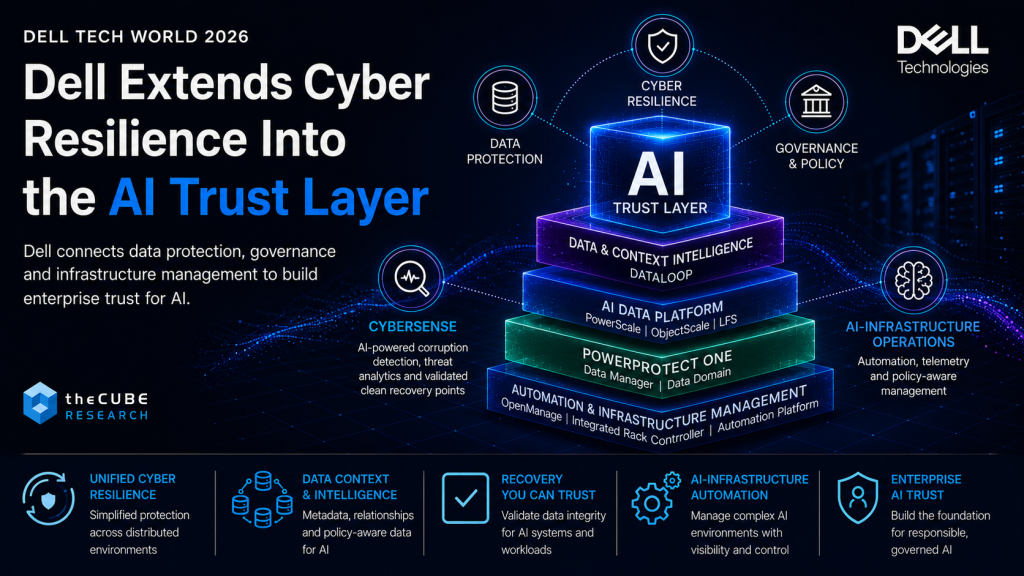
Dell Technologies World (DTW) 2026 positioned data protection and cyber resilience as foundational control layers for enterprise AI. This is part of a broader market conversation that ties cyber recovery capabilities to resilience, AI governance, data integrity, and operational trust, in a world where enterprise AI systems are only as reliable as the data pipelines, […]
Verizon’s 2026 DBIR and the Gap Between Risk and Response
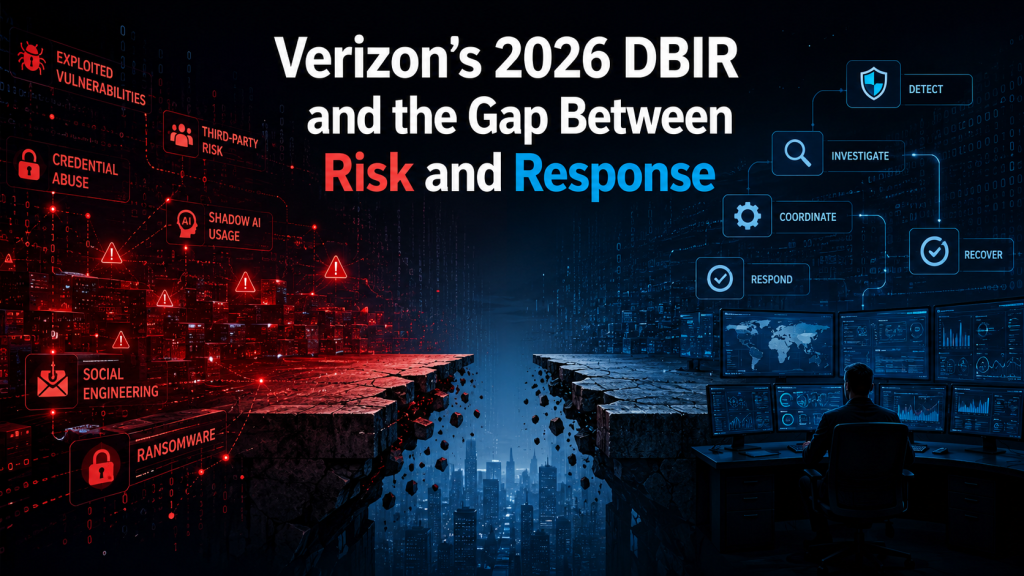
Verizon’s 2026 Data Breach Investigations Report (DBIR) arrives alongside industry discussion about Anthropic’s Mythos and the broader implications of AI-accelerated vulnerability discovery. Much of that conversation has focused on whether frontier AI models will dramatically expand offensive cyber capabilities. The bigger threat, however, is the burden this will place on IT and security teams that […]